


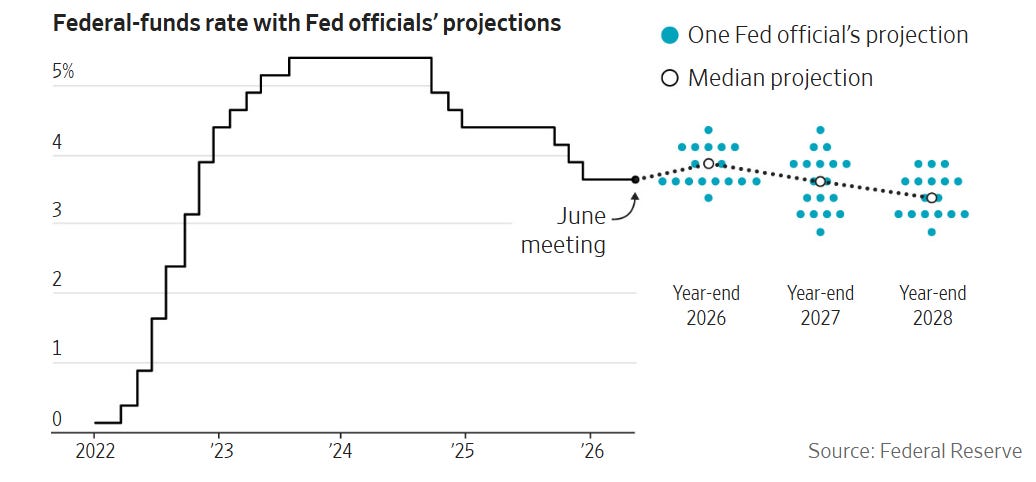
Last week, the market decided the Federal Reserve is done cutting rates for the foreseeable future. The Fed held rates at 3.50 to 3.75 percent and he dot plot penciled in a hike. Forward guidance is gone and the 2-year Treasury yield jumped about 14 basis points on the day.
The widespread consensus is that in inflation is hot and no cuts coming.
That read is wrong. And the reason is hiding in plain sight.
The market was grading a rate decision. Kevin Warsh, in his first meeting as Chair, wasn’t holding a rate decision. He was rewriting the rulebook. Once you see what he actually did, the hawkish story falls apart.
Five task forces, one direction
Warsh walked in and announced five task forces to review how the entire institution operates:
Communications
Data Used to Set Policy
The balance sheet
Productivity and jobs (including AI)
Inflation
That’s every major lever the Fed pulls, all under review at once. No Chair in modern history has launched something this sweeping in week one.
Then he sent the signals. He gutted the policy statement. He killed forward guidance on purpose. And he refused to submit his own dot to the projections, while calling the dots his colleagues did submit “pencils, the kind with big erasers.”
Dropping forward guidance isn’t hawkish, it removes the pre-commitment that would box him in, so he can cut on his own timeline. The data task force builds the case to look past a lagged, flawed CPI print.
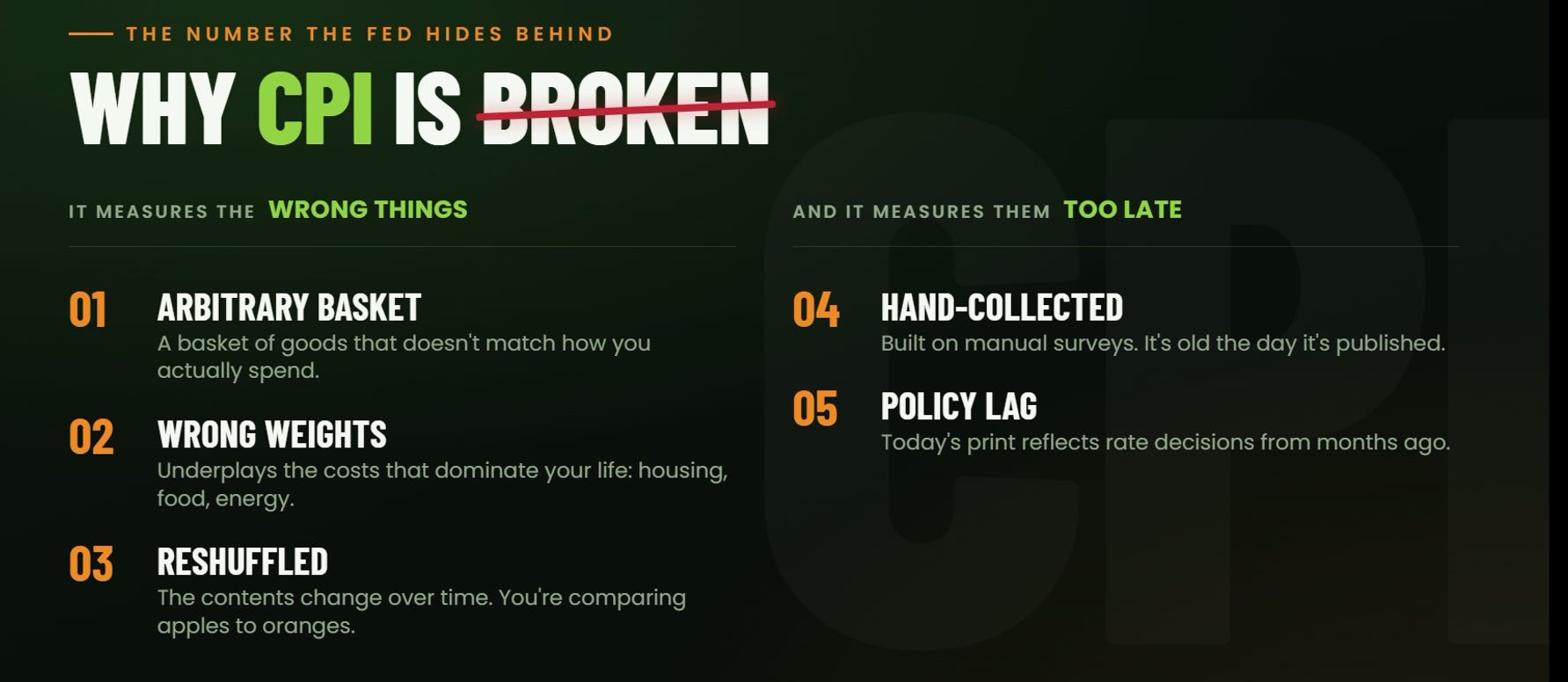
The inflation task force isolates energy as the thing distorting the headline number. And Warsh has argued for years that AI is a powerful deflationary force, which over time gives the Fed room to ease. Every road leads to the same place.
The tell: the dot plot is a coin flip
Here’s the single piece of evidence that the market misread the meeting.
The headline screamed that 9 of 18 officials see a hike this year. True. But that means the other 9 see rates holding or getting cut. The committee was a dead 9 to 9 split, and the median tipped to a hike by a single dot. Warsh himself didn’t even submit one, and he’s openly talking about scrapping the whole forecast.
So the market took a 9-to-9 coin flip, that the Fed Chair called low-conviction and wants to retire, and reported it as a hawkish hike signal. That’s the misread.
Energy is the only thing holding inflation up
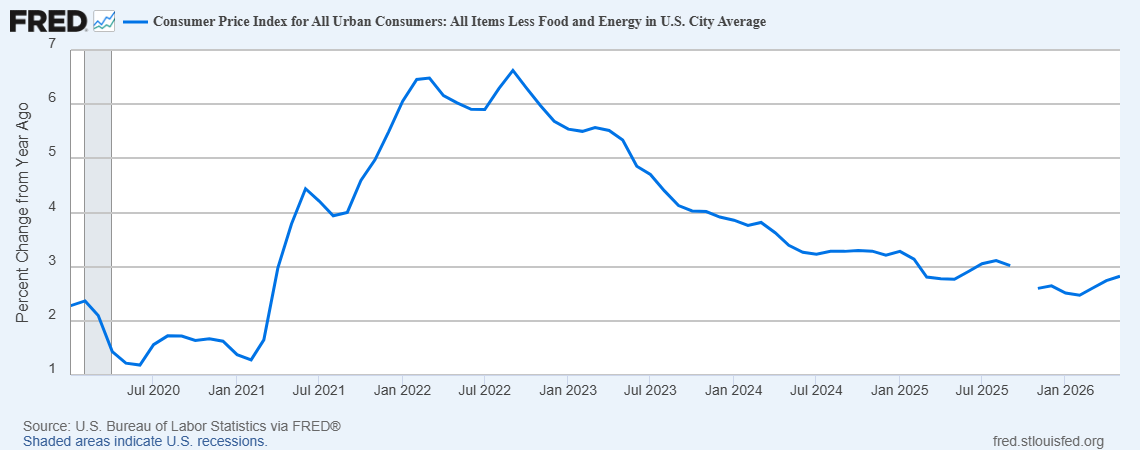
Headline CPI ran about 4.2 percent in May. Core, which strips out food and energy, was around 2.9 percent. The entire gap is energy, and that traces back to the conflict with Iran and the disruption to the Strait of Hormuz, which moves roughly a fifth of the world’s oil.
Core was already cooling before the shock. Central banking 101 says you look through a one-time supply shock. And with a U.S.–Iran framework now announced, the one thing propping up the scary headline number may unwind on its own.
The forcing function: $39 trillion
This is what takes the thesis from “Warsh probably wants to cut” to “the math forces it.” The national debt just crossed $39 trillion. At an average rate near 3.4 percent, the government now spends over $1 trillion a year on interest alone. That’s more than the entire defense budget, and it eats roughly 14 cents of every federal dollar spent.
There’s one fast lever to slow that down. Lower rates. The gravitational pull of $39 trillion in debt points in exactly one direction.
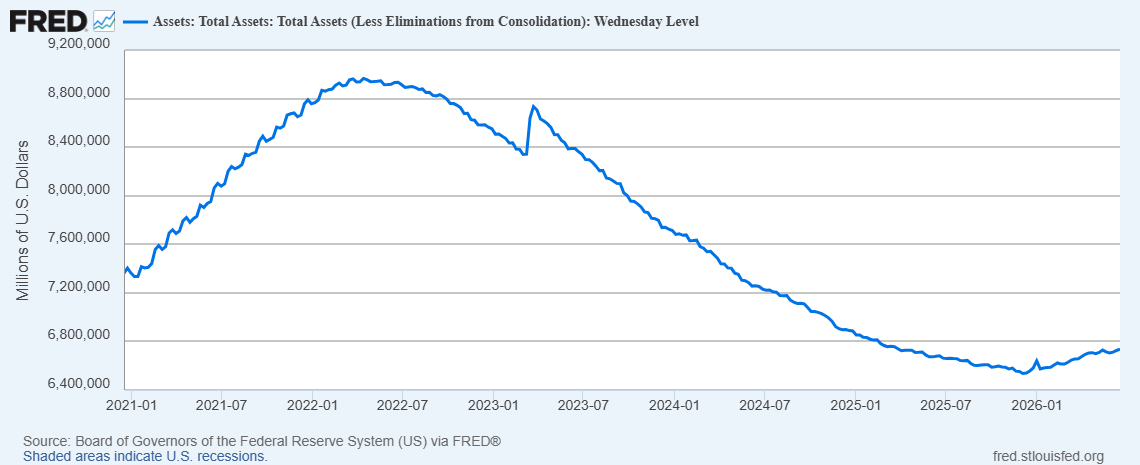
The longer game matters too. Warsh wants to shrink the balance sheet now, and rate cuts and a leaner balance sheet aren’t opposites, they’re separate levers. But a government this indebted cannot survive sustained deflation, because falling prices make the debt harder to pay. If AI and other forces keep pressing prices down, the eventual escape is liquidity back in. A bigger balance sheet down the road. Warsh calls that an emergency tool. The debt may turn it into a certainty.
What it means for Bitcoin
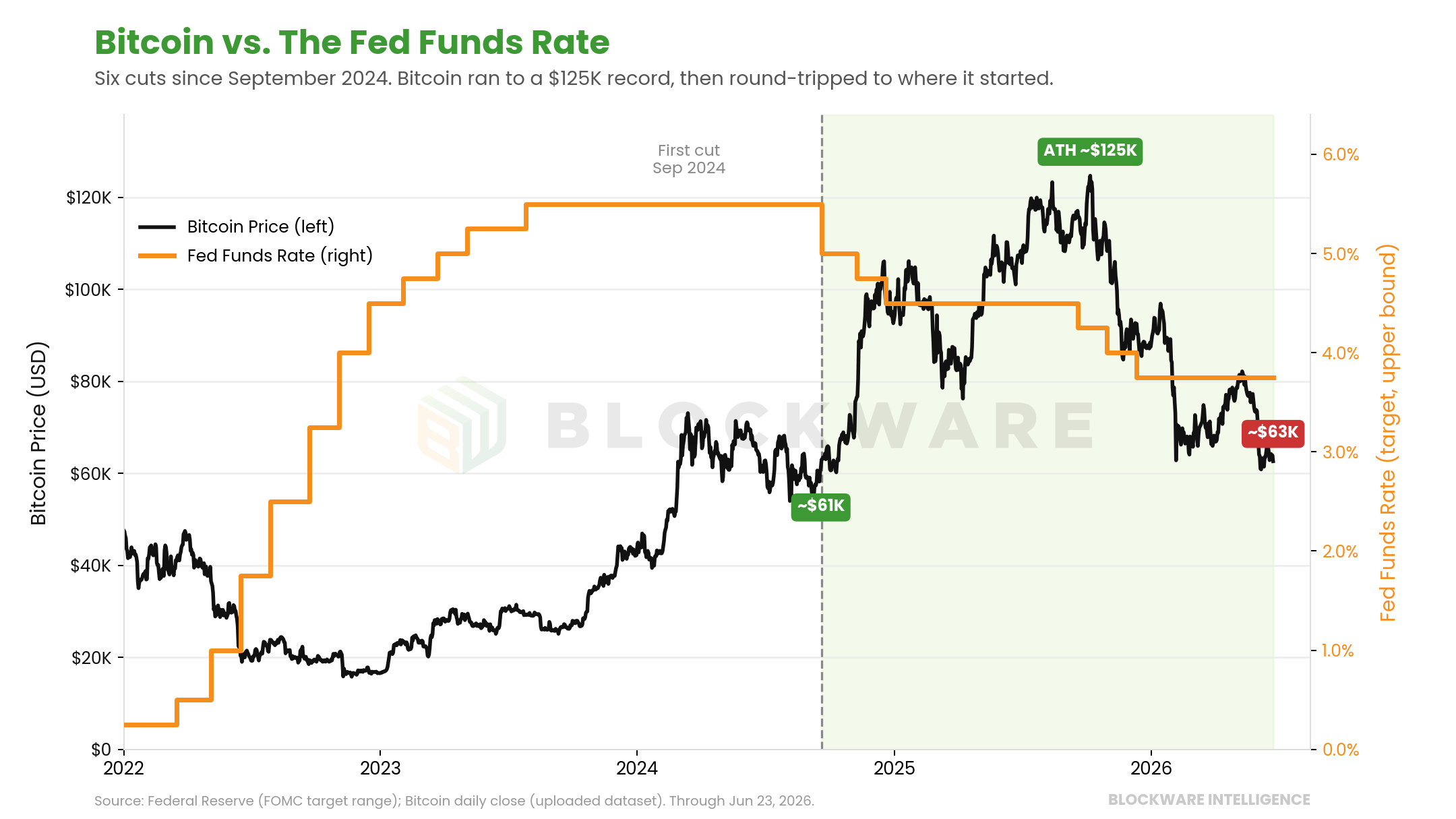
We’ve seen this setup before. When the Fed started cutting in September 2024, Bitcoin was near $60,000. Three months later it had run to roughly $108,000. That’s about 80 percent in a quarter. From that first cut to the cycle high the following year, it doubled.
That’s the playbook when liquidity turns. Risk assets, and Bitcoin most of all, tend to front-run it. The market is staring at the wrong meeting. We’d rather be early.
Less taxes. More Bitcoin. What’s not to like?
You can write off 100% of the hardware & electricity costs of a Bitcoin Mining operation.
$100,000 spent on hardware + power = $100,000 deduction of active (W2 or Business) income.
This is the most tax-efficient way to build a long-term Bitcoin position.
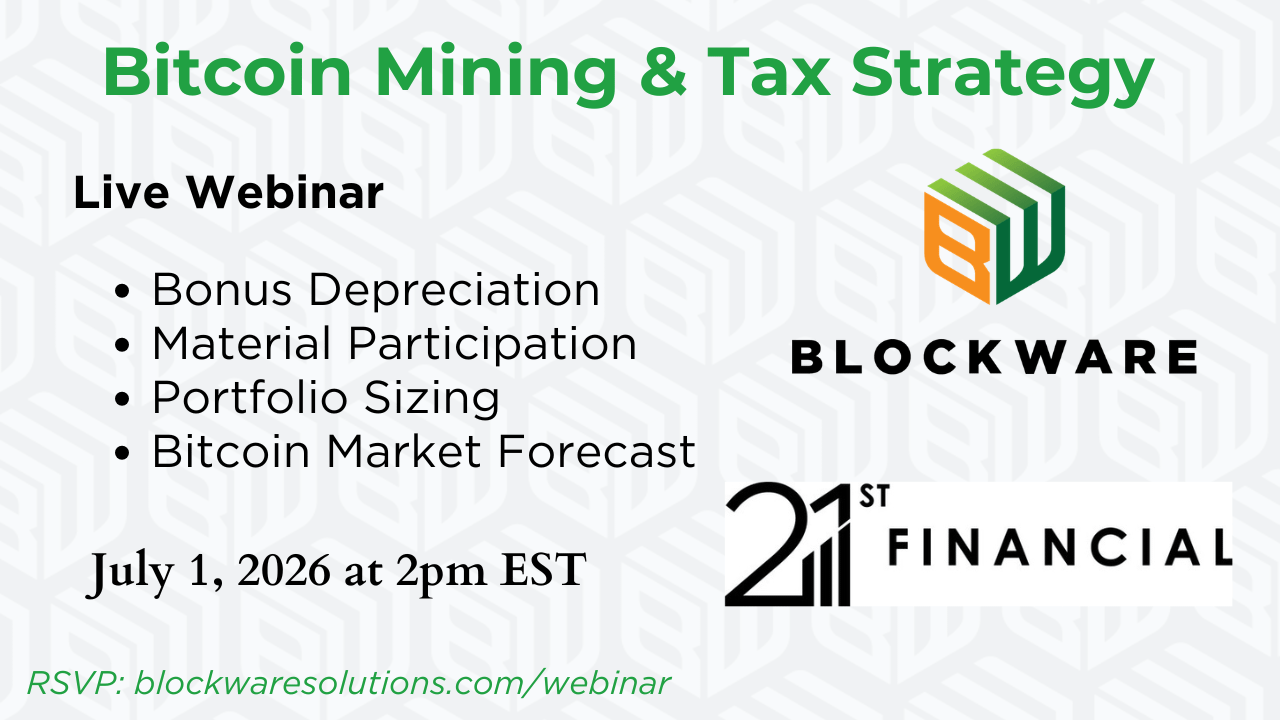
Join us next Wednesday for a live webinar, co-hosted with 21st Financial to learn how you can implement this strategy for yourself: https://www.blockwaresolutions.com/webinar
This newsletter is for informational and educational purposes only and does not constitute financial, investment, or tax advice. Bitcoin and Bitcoin mining involve significant risk, including the potential loss of capital. Consult a qualified professional before making any investment or tax decision.
Exactly, but this is not the only thing the market is misreading:
https://arkominaresearch.substack.com/p/fomc-the-market-is-looking-at-the